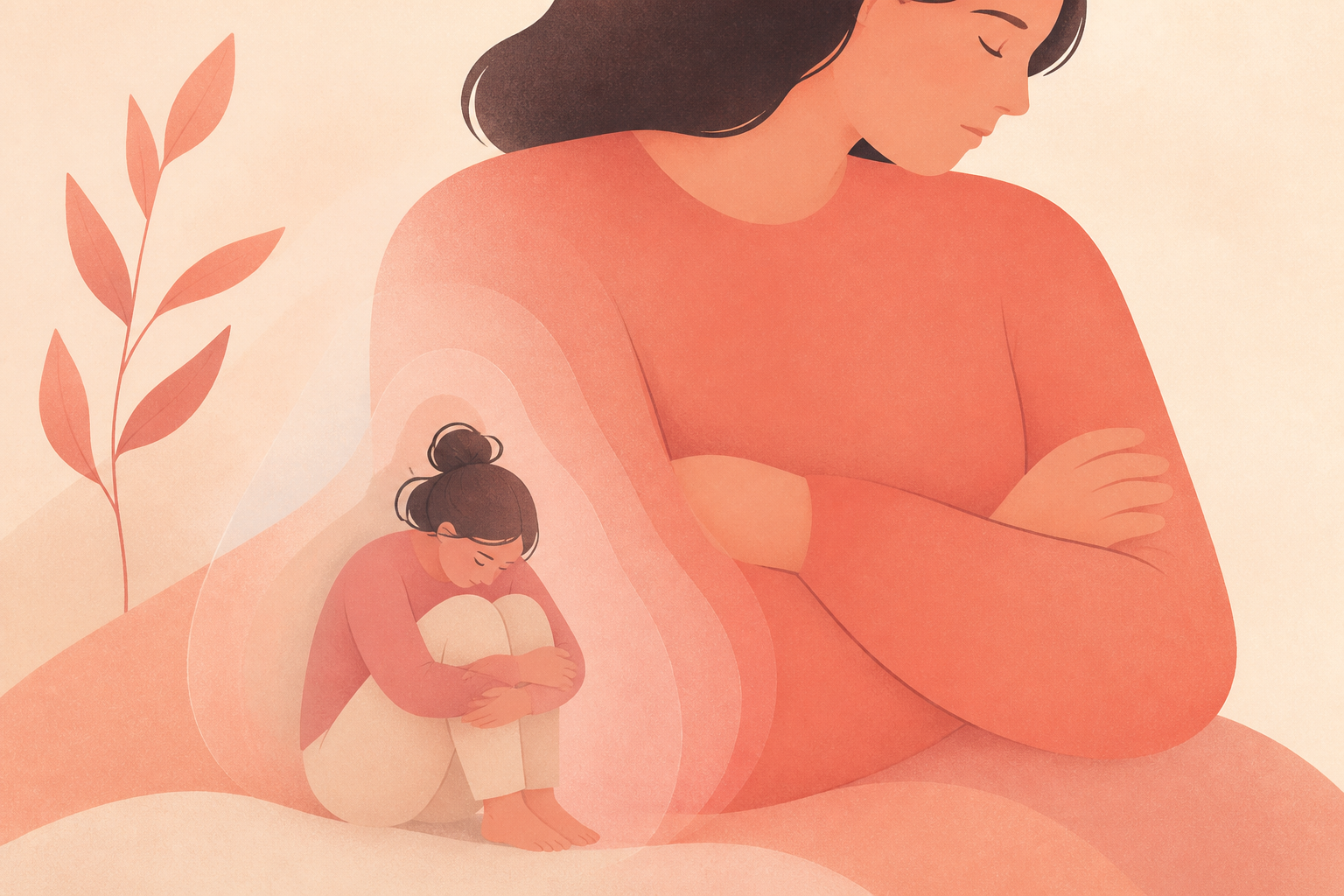
Signs of a Narcissistic Partner — When Love Makes You Smaller
You clearly care about this person, but the longer you date, the smaller you feel? They were the sweetest at first, and now you’re told you’re never enough? Then this may help.
⚠️ First: this article isn’t for labeling your partner a ‘narcissist.’ Diagnosis is for professionals. Instead, the goal is to look at what this relationship is doing to you.
Common signs of a narcissistic relationship
Psychologist Ramani Durvasula, known for her work on relationship abuse, describes recurring patterns in narcissistic relationships:
- Love bombing — flooding you with affection, gifts, and contact early on
- Gradual devaluing — praise quietly turns into criticism
- Gaslighting — everything becomes your fault, and you doubt your own memory and feelings
- Push-pull (intermittent reinforcement) — clinging when you try to leave, then coldly pushing you away again
These patterns share one thing: they keep making you doubt yourself.
A mini case
Jihyun’s relationship began with “I can’t live without you.” But a few months in, she kept hearing “you’re too sensitive,” “that’s your imagination.” Before long, she was blaming herself for everything — doubting daily, “am I the problem?”
Self-check ✔ — signs the relationship is eroding you
- ✔ Is your self-esteem lower than before you dated?
- ✔ Does everything become your fault when problems arise?
- ✔ Do you keep doubting your own feelings and memory?
- ✔ Does your whole day hinge on their mood?
If many fit, it’s time to look after your safety rather than diagnosing them.
❌ This doesn’t help
- Trying to change them (narcissistic patterns rarely change on their own)
- Blaming yourself (“if I just do better, it’ll improve”)
- Isolating and carrying it alone
✅ 3 steps to protect yourself
- Record your feelings Write down what happened and how you felt. When it gets rewritten or you hear “that’s your imagination,” the record protects reality.
- Get a trusted reality-check Gaslighting thrives in isolation. Tell a trusted friend or family member and confirm ‘you’re not the crazy one.’
- Set boundaries Decide the line where no means no. If needed, distance and professional support are ways to protect yourself.
If judging alone is hard
🚩 Whether this relationship is eroding you can be hard to see alone.
Tell an AI coach on Bondi what’s happening. It helps you confirm ‘you’re not the crazy one’ and find your next step to protect yourself. (If you feel serious danger, please use professional services and hotlines.)
Closing
Far more important than diagnosing whether they’re a narcissist is whether you are safe and whole in this relationship. If love keeps making you smaller, that’s not a problem with love — it’s a signal to protect yourself. 🚩